
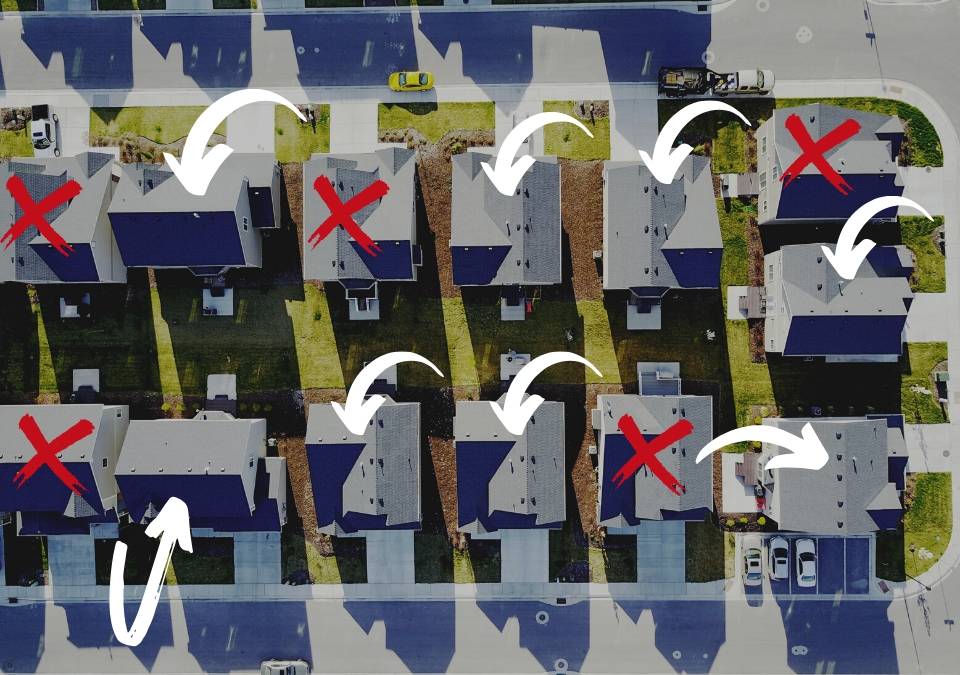
IP Targeting allows political advertisers to be very specific with who they reach – and at a fraction of the cost of many other advertising methods. Your ads appear on all devices – home computers, tablets, and cell phones—that someone uses to surf the web. Your banner ads show on news sites, email portals, and other popular sites across the web.
Unlike radio or television advertising, IP Targeting works best when it is used selectively. Putting the right message before the right voter can be very persuasive. It helps to create a plan of who you want to reach, combined with the message you want to present.
NOTE: You’ll want to use your voter list to narrow down your targets.
Here are some strategies for creating an audience for your IP Targeting ad campaign.
By Party: This is the most common way for political campaigns to determine who they want to reach through their IP Targeting. They take a district voter list, narrow it to voters of their own party, and target those addresses. Besides just targeting voters of a party, we recommend targeting active voters. This can mean people who voted in 2 of the last 3 primaries, 3 of the last 4 general elections, etc…
By Location: Why should everyone in your district get the same message? Perhaps the ads in one location should highlight something different than in other areas. Because IP Targeting is based on addresses, it’s simple to parse locations by towns, zip codes, or counties. If you have a campaign message you want to send to a specific location, it’s easy to segment your audience.
By Event: This applies mainly ‘Get Out The Vote’ messaging. This could be for primary day, the general election, or even when mail-in voting begins. We recommend targeting active voters for this sort of messaging. Considering the relatively low level of general voting participation, it makes sense to focus on those who will actually make it to the polls (or mail in a ballot).
By Issue: With the right voter or demographic data, you can determine what issues are important to what households. When shown to the right audience, issue-specific ads can perform very well in getting attention and clicks.
By Donor List: Just as businesses can target previous customer addresses, political campaigns can target previous donors. This would be the one case where you might want to look for a particular ROI (return on investment) on an ad campaign, rather than the amount of exposure generated.
By a Combination of the Above: One way to further develop an IP Targeting campaign is to segment your targets using multiple criteria. For example, you may want to target households of a single party in a particular location that are receptive to a particular issue. For example, you could promote your position on a regional issue specifically to households in an area affected by that issue.
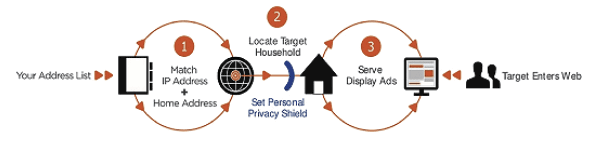
Rather than generic messaging, like ‘Vote for” ads, targeted and focused advertising gets more attention. Consider creating multiple, smaller ad campaigns targeting specific audiences with specific messaging. If you want to break through the clutter of state and national political advertising, you want to make your message as relevant to your audience as possible.
In many down-ballot races, a lot of voters lean toward the candidate that they have been most exposed to. Appearing on a voter’s mobile and computer screens will get you noticed. The precision and cost of IP targeting offers several advantages over print, radio, or television advertising. When combined with other advertising mediums (like print), you’ll increase your overall exposure.
If you are interested in IP Targeting, check out Online Candidate’s pricing information and learn more.